


VO2 MAX TESTING
The leading measure of good health and optimal performance.
WHY MEASURE VO2 MAX?
A VO2 max test can provide valuable information about your cardiovascular fitness and overall health. Here are several reasons why you might consider doing a VO2 max test:
Fitness Assessment: It accurately measures your aerobic fitness level, giving you a clear indicator of your current cardiovascular capacity. This information can help you understand your fitness baseline and track improvements over time.
Training Optimization: Knowing your VO2 max can help you tailor your training program more effectively. It allows you to set appropriate intensity levels for workouts, ensuring that you are training in the most efficient and safe zones.
Health Monitoring: VO2 max is a strong predictor of cardiovascular health. Monitoring changes in your VO2 max over time can help identify potential health issues or improvements in your cardiovascular system.
THE VO2 MAX AND LONGEVITY CORRELATION
A large body of research has demonstrated a strong relationship between cardiorespiratory fitness (VO₂ max) and long-term survival.
One of the most comprehensive modern studies examined over 120,000 adults who underwent standardized treadmill testing and were followed over time. Participants were ranked by cardiorespiratory fitness level, from low to elite, and their survival outcomes were compared.
Key findings
Participants were 53 years old on average
Fitness was measured objectively via treadmill testing
Individuals were grouped by cardiorespiratory fitness level
Results showed a clear, graded relationship between fitness and mortality risk
Across all groups, higher cardiorespiratory fitness was associated with lower all-cause mortality, following a clear dose–response relationship.
Notably, the greatest relative benefit occurred at the lower end of the fitness spectrum. Individuals who moved from the lowest fitness category to even below-average fitness experienced a substantial reduction in mortality risk, approaching half that of the least fit group.
This finding underscores a key point: longevity is most strongly influenced by restoring basic, attainable aerobic capacity.
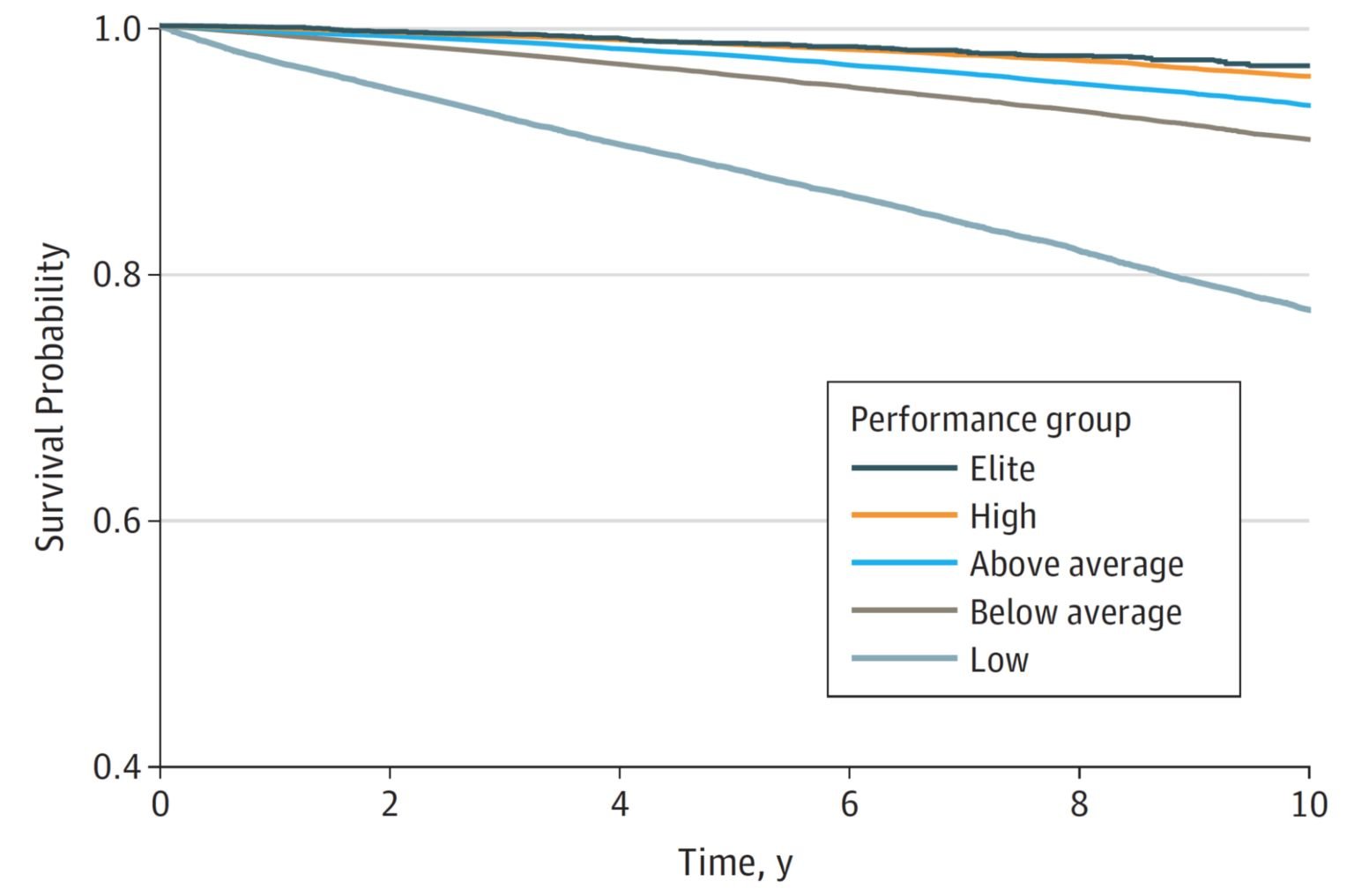
Figure 1. Patient survival by performance group. (Mandsager et al., 2018)
THE TEST: WHAT TO EXPECT
After completing the test you’ll receive a detailed report providing an insight to your current cardiovascular capacity and guidelines for improving it.
Duration: 60 minutes
Cost: $200
Preparation: Complete health and physical history, to ensure the right level and type of test is conducted (pre test check list)
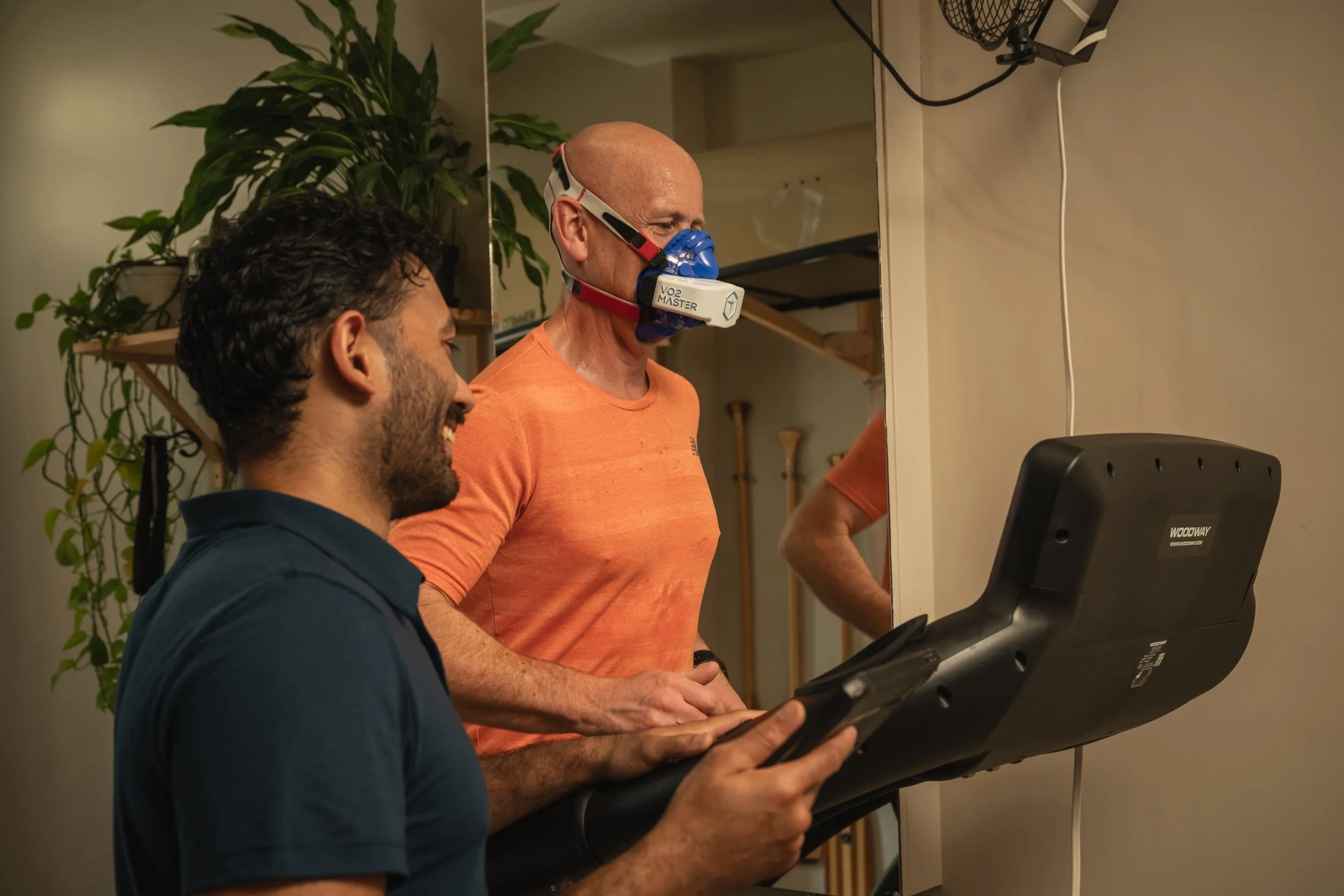
Equipment: You’ll be wearing a precision lab grade oxygen measuring mask and heart rate strap (provided). Depending on your current physical ability or preferred sport you’ll like either use a watt bike or treadmill for your test.
Warm-up: A light level of movement prior to the test helps get your body ready for a safe hard effort.
Incremental Exercise: Once the warm-up is complete you’ll conduct a ‘step test’ that see’s a gradually increase of intensity over time. Depending on your fitness level this may vary in length from 5 to 20 minutes.
Monitoring: During the test we measure oxygen consumption and heart rate to assess your maximum or sub maximum cardiovascular capacity.
Cool-down: Once your hard effort is complete you’ll finish with a gradual cool-down period.
Data Analysis and Next Steps: Post test you will be guided through your results and walked through the guidelines for improving or maintaining your cardiovascular capacity.